
Dana Point Homeowners Insurance Claim Denial Lawyer: What Storm Victims Should Know After Coastal Flooding
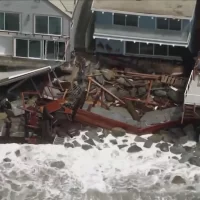
Powerful surf and coastal flooding driven by the remnants of Hurricane Marie tore through Dana Point’s Capistrano Bay community over Labor Day weekend, damaging at least 16 homes along Beach Road, according to local reporting on the emergency declaration. The City of Dana Point declared a local emergency after officials red-tagged nine oceanfront homes as unsafe to inhabit and yellow-tagged seven more for structural damage. Decks were destroyed, seawalls failed, and coastal erosion undermined at least one home’s foundation so severely that the owner was granted an emergency permit to tear down what remained.
Neighboring Laguna Beach and other Orange County coastal cities issued similar emergency declarations as the same swells battered seawalls, boardwalks, and beachfront infrastructure up and down the coast. With a strong El Niño pattern forecast by NOAA’s Climate Prediction Center for the coming months, coastal homeowners in Dana Point and throughout Orange County should expect this will not be the last high-surf event to threaten their properties this season.
For homeowners whose properties were damaged, the emergency declaration is really just the beginning. The next fight is often with the insurance company , and that’s when many families first search for a Dana Point homeowners insurance claim denial lawyer to help them push back.
Why Coastal Storm Damage Claims Get Complicated Fast
Homeowners insurance is supposed to make you whole after a covered loss. But damage from high surf, coastal erosion, and flooding tends to land right in the gray areas insurers exploit most aggressively:
- Flood vs. wind vs. “earth movement” disputes. Standard homeowners policies typically exclude flood damage outright, and many also carve out exceptions for erosion or land movement. If your deck collapsed because wave action undermined the foundation, the insurer may try to characterize the loss as excluded erosion or earth movement rather than covered storm/wind damage , even when the actual cause was the storm.
- Seawall and structural damage disagreements. Damage to a seawall, retaining structure, or foundation is often more expensive to fix than it looks from the surface. Insurers frequently lowball these claims by focusing only on visible, surface-level repairs instead of the full structural picture.
- Delay tactics. California’s Fair Claims Settlement Practices Regulations generally require insurers to acknowledge and act on claims within set timeframes, but there are enough exceptions and loopholes that carriers routinely slow-walk decisions , especially on claims involving disputed causation, like storm damage that overlaps with excluded perils.
- Lowball or partial payouts. Even when an insurer accepts a claim, it’s common for the initial offer to fall well short of what full repair or rebuild actually costs, particularly for red-tagged homes that may require demolition and reconstruction rather than repair.
- Emergency mitigation costs. Homeowners rushing to install boulder revetments, temporary shoring, or other emergency protective measures , as many Capistrano Bay residents did this week , may find insurers reluctant to reimburse those costs without a fight, even though prompt mitigation is often required under the policy itself.
What Dana Point Homeowners Should Do Right Now
If your home was red- or yellow-tagged, or you have any storm-related damage, a few early steps can make a significant difference if a coverage dispute arises later:
- Document everything before repairs or demolition begin. Photos and video of the damage, the tag notice from the city, and the timeline of when damage occurred are all critical evidence.
- Keep records of every emergency measure. Save contracts, invoices, and correspondence related to any temporary protective work, such as boulder placement or shoring.
- Read your policy’s exclusions closely , particularly language around flood, surface water, erosion, and earth movement , before accepting an insurer’s characterization of the cause of loss.
- Don’t accept the first offer as final. An initial payout, especially for a red-tagged or partially destroyed home, rarely reflects the true cost of repair or rebuild.
- Watch the clock. California’s claims-handling deadlines have real teeth, but insurers know the exceptions better than homeowners do. A delay that feels “normal” may actually be actionable. Homeowners can also file a complaint with the California Department of Insurance if they believe a carrier is acting unfairly.
When a Claim Is Denied, Delayed, or Underpaid, Call a Dana Point Homeowners Insurance Claim Denial Lawyer
If an insurance company denies your claim outright, drags its feet, or offers far less than what your home actually needs, you are not required to simply accept it. Insurers do not get the final word. Homeowners can pursue a breach of contract claim to force payment under the policy, and in cases involving unreasonable denial, misrepresentation of policy terms, or failure to properly investigate, a bad faith claim may also be available , potentially recovering damages beyond the policy limits.
Quincey Law, based in Dana Point, represents California homeowners facing significant losses, typically catastrophic damage or total losses, where an insurer has wrongfully denied, delayed, or underpaid a claim. For homeowners in the Capistrano Bay community and elsewhere along the Orange County coast now navigating the aftermath of this week’s storm damage, an early conversation with an attorney before signing off on an insurer’s assessment can help protect your right to full compensation.
Speak to a Dana Point Homeowners Insurance Claim Denial Lawyer
As a homeowner, you paid your premiums expecting your insurance company to be there when a storm damaged your home. Do not let the insurance company get away with wrongfully denying, delaying, or underpaying the coastal flooding claim you are due. Schedule a free initial consultation with a Dana Point homeowners insurance claim denial attorney at Quincey Law by visiting our website or by calling us today at (949) 844-6630.
This article is for informational purposes only and does not constitute legal advice. Every insurance policy and claim is different; consult a qualified attorney about your specific situation.

